

| Topic | Question Type | Marks |
|---|---|---|
| Derivation: Potential due to Point Charge | Short Answer | 2 Marks |
| Derivation: Potential due to Dipole | Long Answer | 5 Marks |
| Derivation: Parallel Plate Capacitor | Short Answer | 3 Marks |
| Derivation: Energy Stored | Short Answer | 2 Marks |
1. Electric Potential
Electrostatic potential  at a point is defined as the work done by an external force in bringing a unit positive charge from infinity to that point (without acceleration).

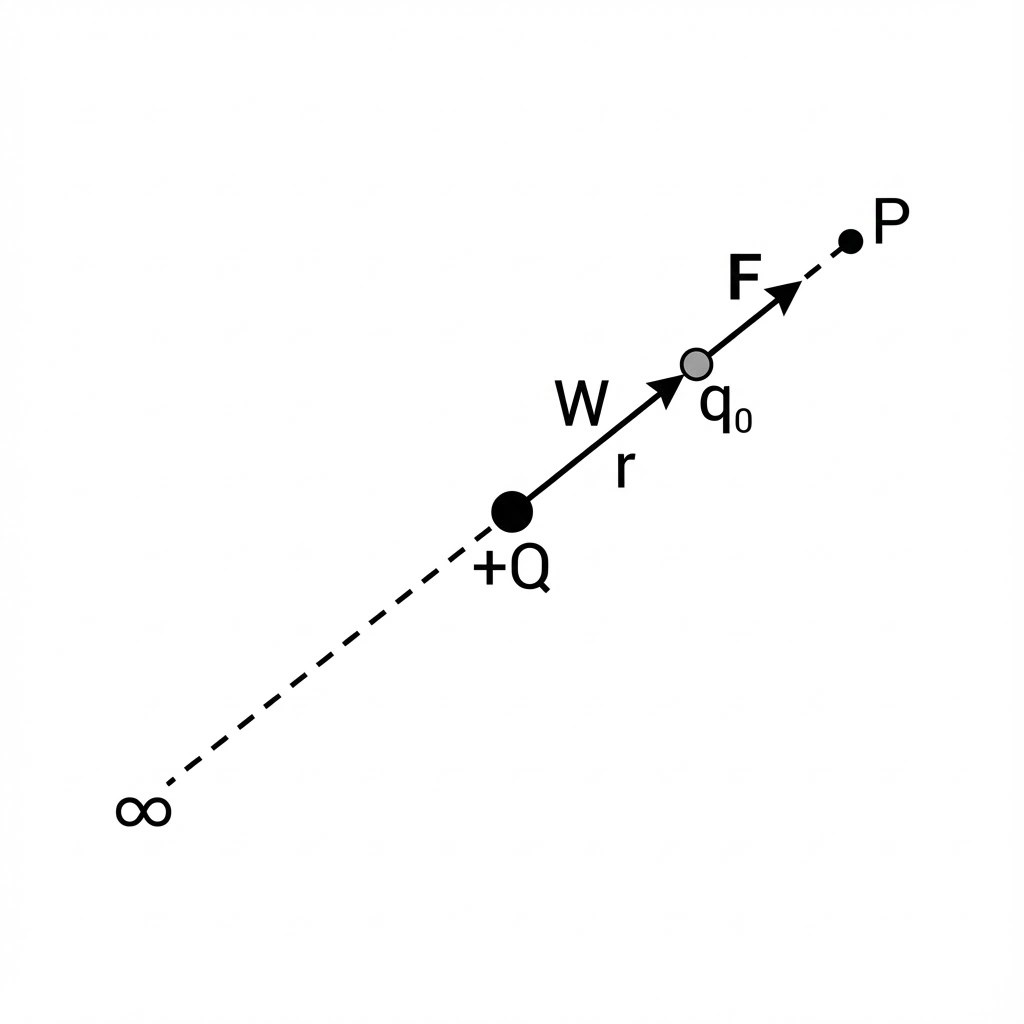
 at origin. Force on unit positive test charge at distance
 :

 :

 to
 :


 (Field flows from high to low potential).
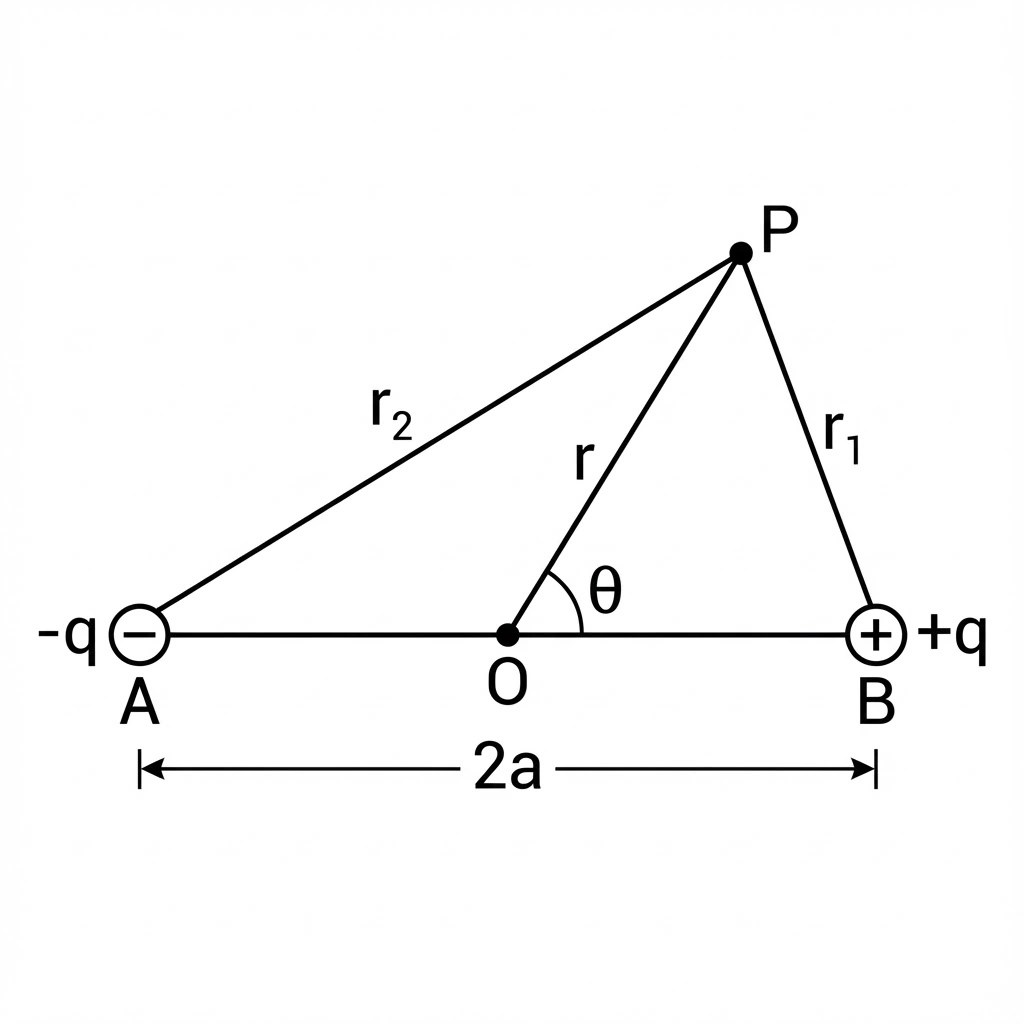
 (at
 ) and
 (at
 ):

 :


 :

2. Equipotential Surfaces
An equipotential surface is a surface with a constant value of potential at all points.
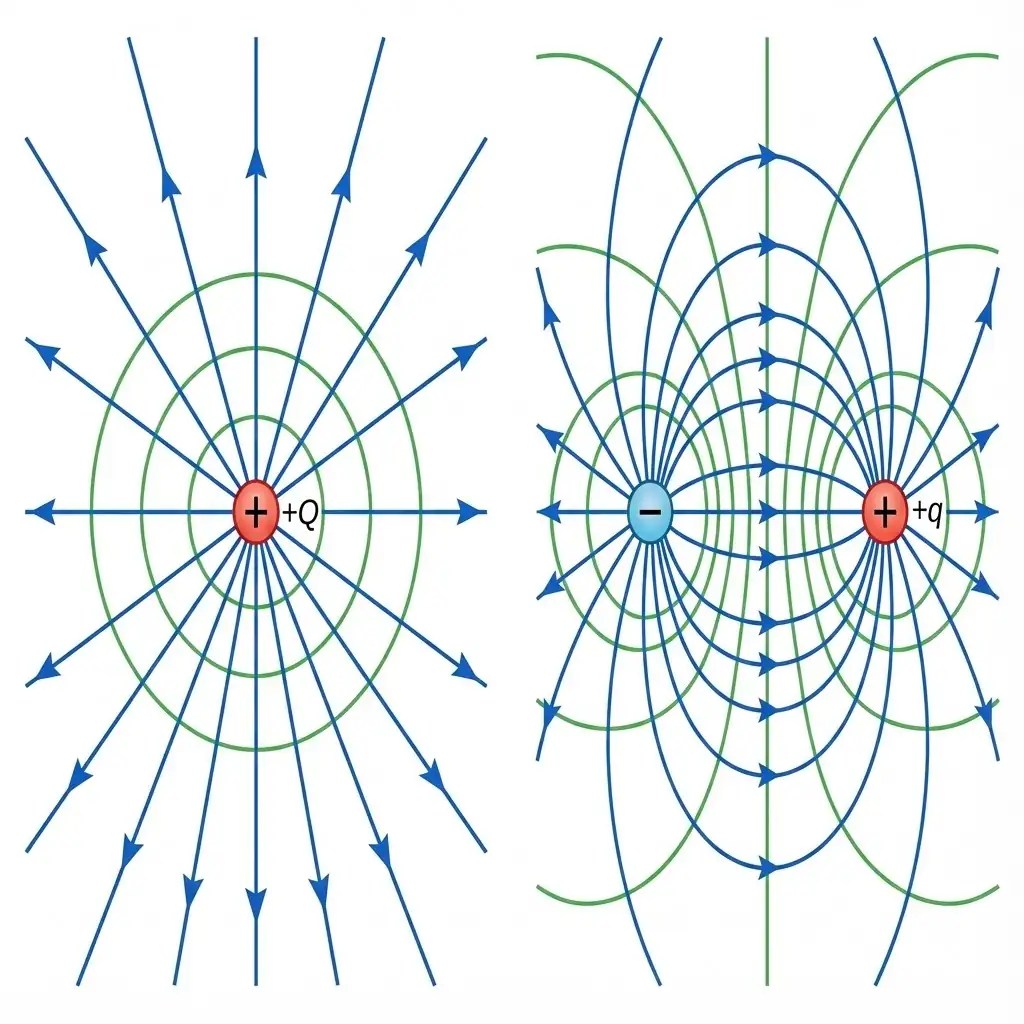
- Work Done: No work is done in moving a test charge over an equipotential surface.
- Field Direction: Electric field is always normal to the equipotential surface at every point.
- Pattern: For a point charge, they are concentric spheres.
3. Potential Energy
Electrostatic potential energy is the work done in assembling a system of charges by bringing them from infinity to their present locations.
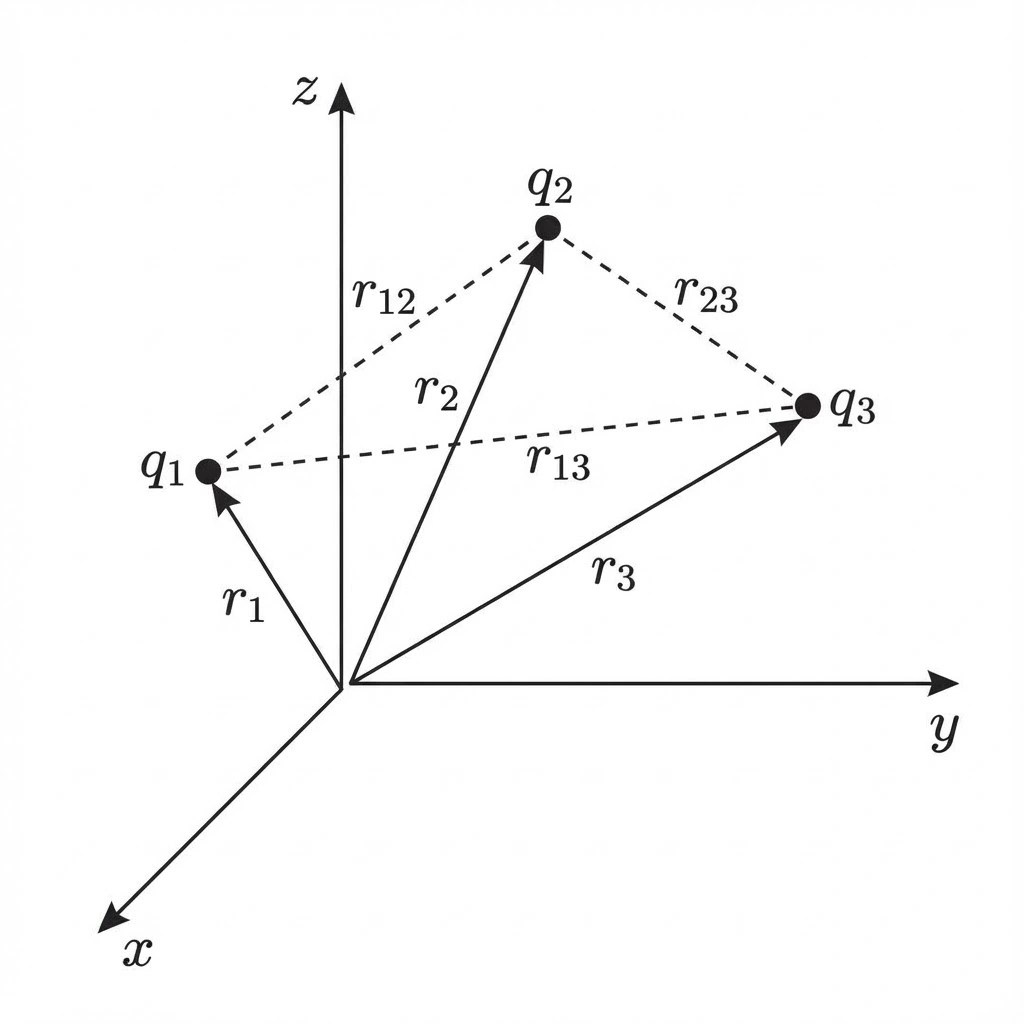
 from infinity to . Work done
 (no external field).
 from infinity to . Work is done against field of .

 against fields of and .

 :

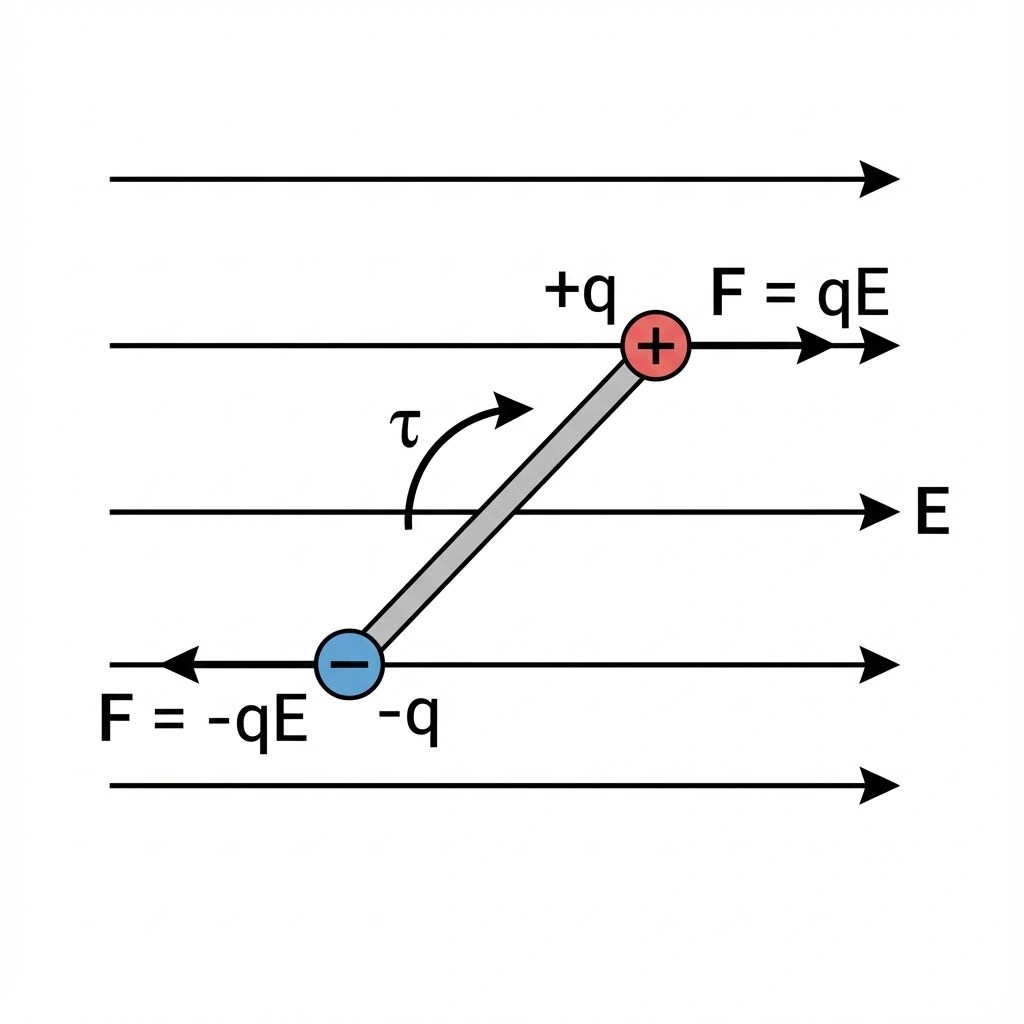
 exerts torque on dipole
 :

 to
 :


 (where
 ):

4. Electrostatics of Conductors
- Inside: Electrostatic field is zero everywhere inside the conductor.
- Surface: Electric field is normal to the surface.
- Potential: Constant throughout volume and surface.
- Shielding: Electric field inside a cavity is zero.
5. Capacitance & Dielectrics
Capacitance is the ratio of charge to potential difference:  .
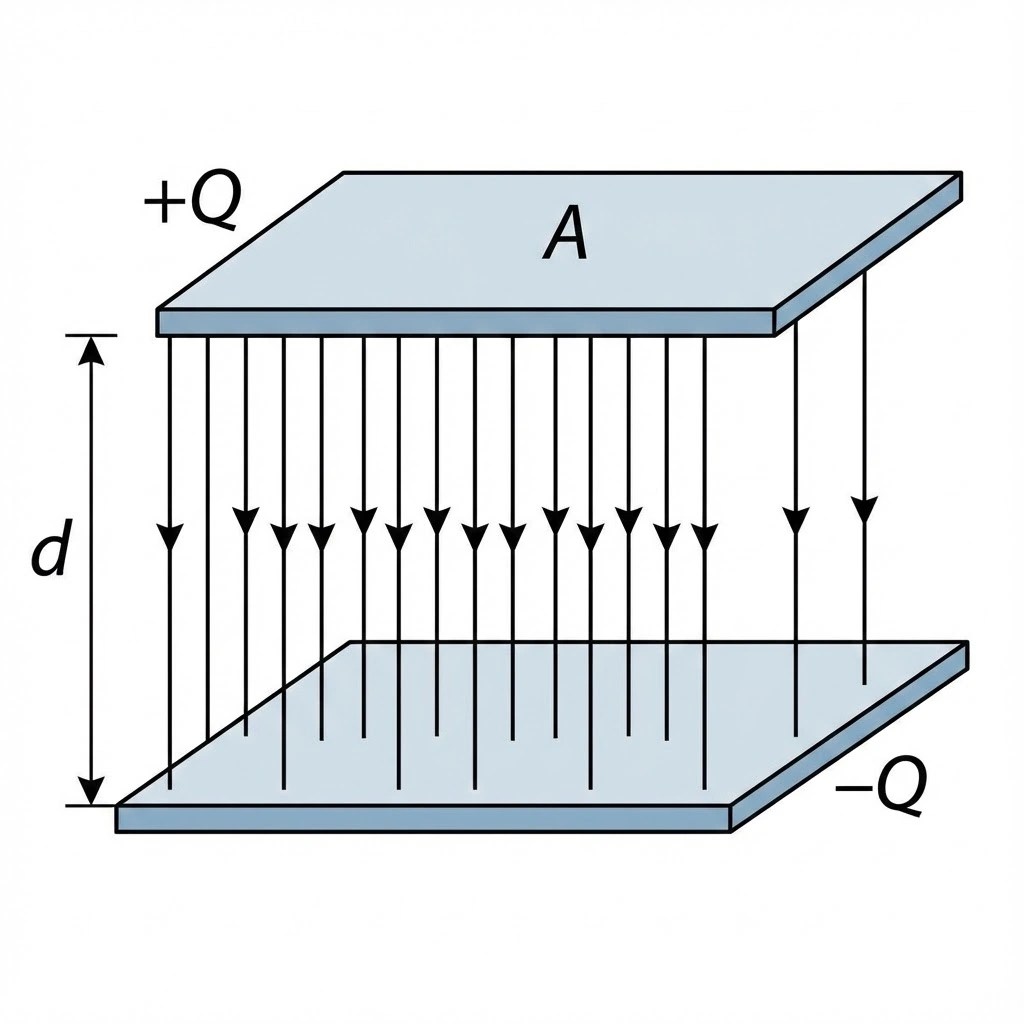
 :
 and separation
 :
 :

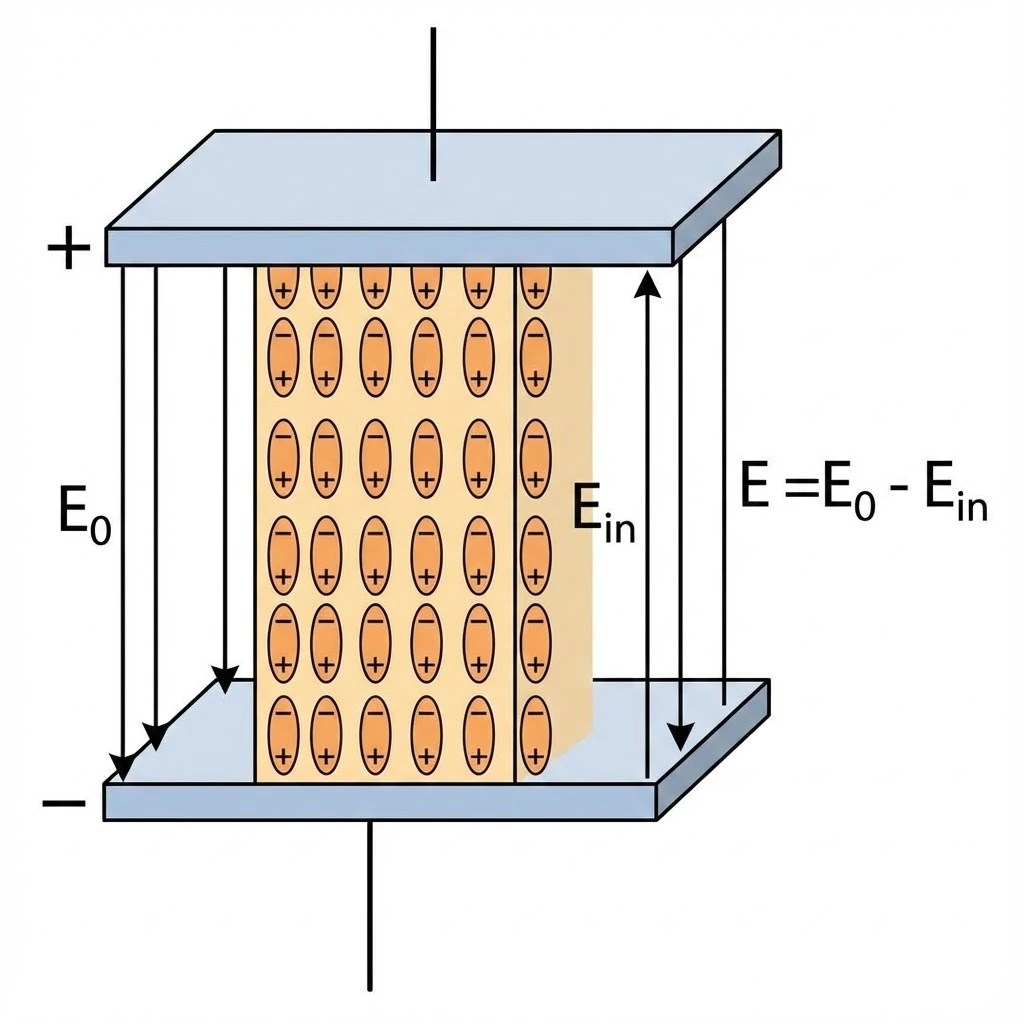
 .
Net field
 (since
 ).


6. Combinations of Capacitors
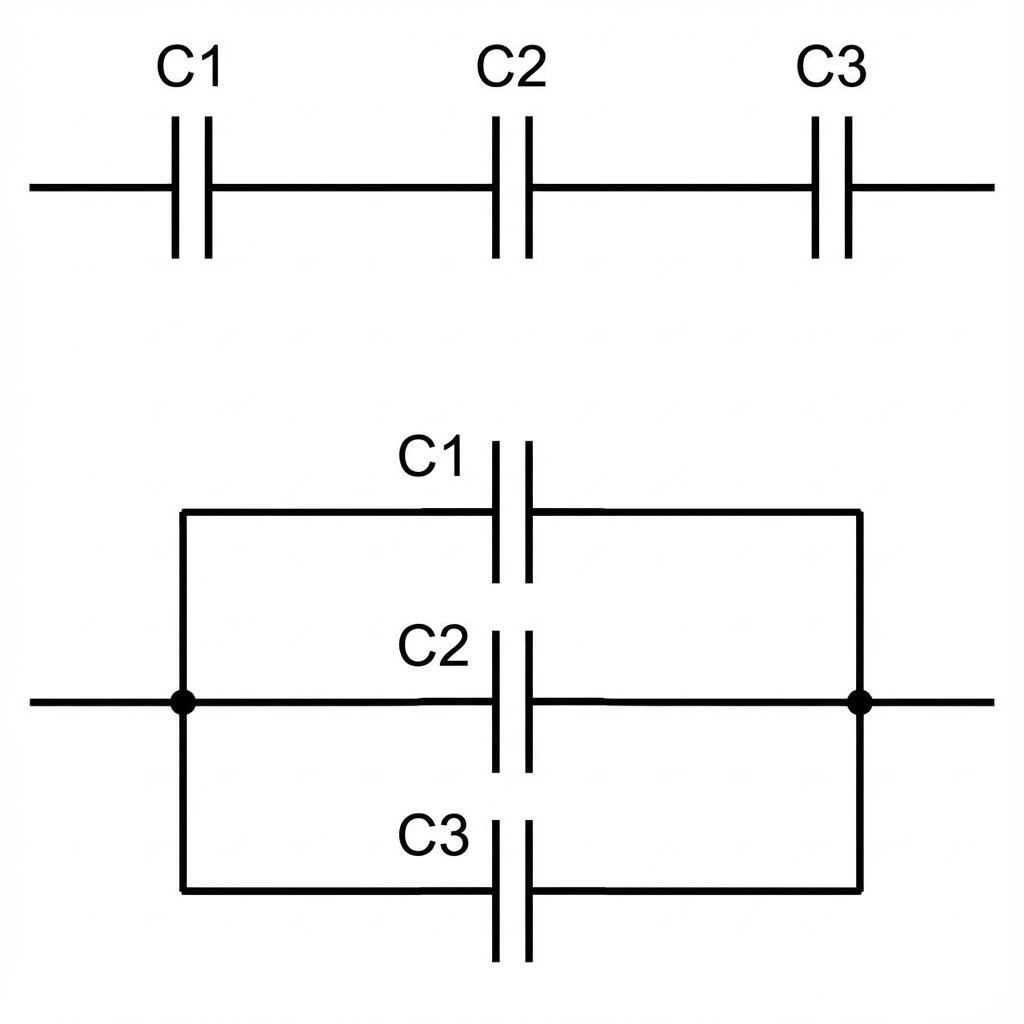 divides.


 adds up.


7. Energy Stored in Capacitor
 against potential
 :
 :


Ready to test your knowledge? Try 10 solved numericals on Electrostatic Potential & Capacitance: Click here →
Also practice the Question Bank
CBSE Class XII Physics 2026–27 Syllabus Alignment
Chapter: Class XII: Electrostatic Potential and Capacitance.
Learning focus: Cover potential, potential difference, equipotential surfaces, potential energy, conductors, capacitors, combinations and stored energy. Check sign conventions and distinguish field from potential.
Use the official CBSE syllabus to verify the exact examinable subtopics, practical requirements and assessment details. Textbook coverage and older question banks may include material outside the current board specification; label such material as enrichment rather than required syllabus content.